

How to Improve Sleep Naturally and Wake Up Energized
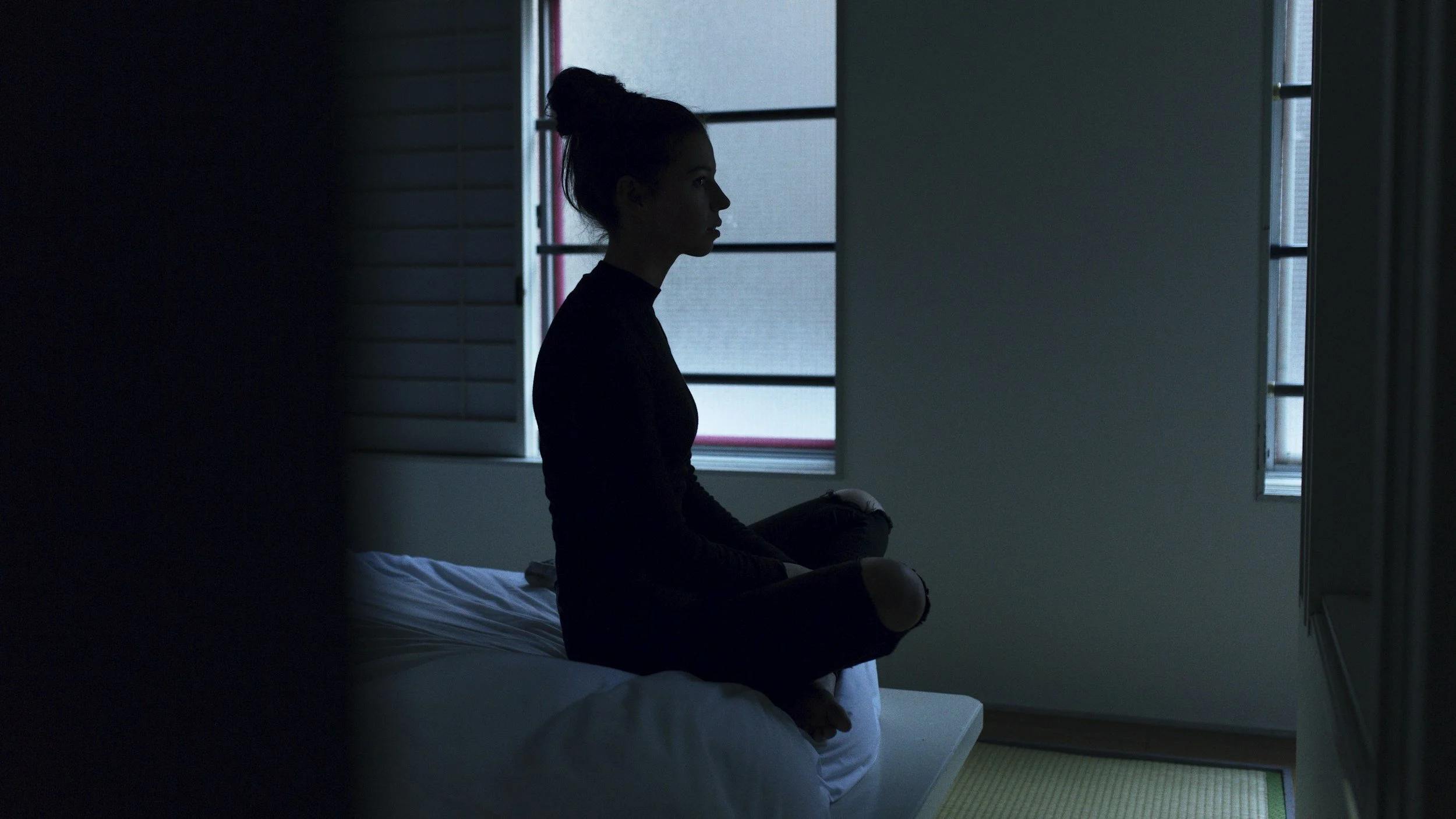
Learning how to improve sleep naturally can feel surprisingly personal. Sleep is not just a nightly habit. It is a reflection of how the body, mind, emotions, environment, and daily rhythm are working together. When sleep is disrupted, even simple responsibilities can feel heavier. Focus may fade, patience can become thinner, and the body may feel as though it is moving through the day without true restoration. The good news is, is that better sleep does not always require drastic changes. Often, meaningful improvement begins with small, consistent choices that help the nervous system feel safe, supported, and ready to rest.
Natural sleep improvement is about creating harmony. It is not about forcing yourself into rest or criticizing yourself for being awake. It is about gently removing the obstacles that keep your body alert and building rituals that communicate calm. A perfectionist approach to sleep does not mean rigid control. It means thoughtful refinement. It means paying close attention to what your body needs, respecting your natural rhythms, and making intentional adjustments that support deeper rest over time.
Why Natural Sleep Matters
Sleep is the body’s most powerful rejuvenating process. During quality rest, the body repairs tissue, balances hormones, supports immune function, consolidates memory, and helps regulate mood. When sleep is consistent and restorative, mornings feel lighter, the mind is clearer, energy is more available in a steady flow, and the body feels more capable of meeting the day.
Poor sleep, on the other hand, can affect nearly every part of life. It may influence:
Mood and emotional resilience
Concentration and memory
Food cravings and metabolism
Hormonal balance
Immune strength
Stress tolerance
Motivation and creativity
Physical recovery
A sensitive approach to better sleep recognizes that insomnia, restlessness, and fatigue are not personal failures. They are signals. The body may be asking for more rhythm, nourishment, emotional processing, or nervous system support.
Vastu (Correctly Position your Sleep Environment)
For the best sleep according to Ayurveda, point your head South. This direction is believed to align your body's magnetic field with the Earth's for deep rest, longevity, and overall health. Pointing your head East is the next best option for improving memory and waking up energized.
Create a Consistent Sleep and Wake Schedule
One of the most effective natural ways to improve sleep is to keep a consistent bedtime and wake time. The body has an internal clock, often called the circadian rhythm, that responds to patterns. When you go to bed and wake up at different times each day, the body may struggle to know when it should feel alert and when it should feel sleepy.
A consistent routine helps train the body to expect rest. This does not mean every night must be perfect. Life will naturally bring exceptions. The goal is to create enough consistency that your system begins to trust the rhythm.
Helpful practices include:
Waking up at the same time
Going to bed around the same time
Avoiding long naps late in the day
Giving yourself enough time to wind down before bed
Keeping weekend sleep patterns reasonably close to weekday patterns
Turn off all technology 2 hours before sleep
Use candles and turn the lights low
Get Morning Light Exposure
Morning light is a simple but powerful sleep-supporting tool. Natural light helps tell the brain that the day has begun. This supports healthy cortisol patterns in the morning and melatonin production later in the evening. In other words, bright light early in the day can help you feel more awake now and sleepier at night.
Try stepping outside within the first hour after waking. Even a short walk, a few minutes on a balcony, or sitting near a sunny window can support your rhythm. Outdoor light is usually more effective than indoor lighting, even on cloudy days.
To make morning light easier:
Open curtains shortly after waking
Step outside for 5 to 15 minutes
Pair light exposure with gentle movement
Drink water outside or near natural light
Avoid checking your phone before giving your body a natural morning cue
This small habit can create a grounded start to the day while supporting a more restful night.
Design a Calming Evening Routine
A restful night often begins hours before your head touches the pillow. The nervous system needs time to transition from doing to being. If you move directly from work, screens, stress, or stimulation into bed, the mind may remain active even when the body is tired.
An evening routine should be simple, repeatable, and calming. It does not need to be elaborate. In fact, the most effective routines are often the ones you can maintain.
Consider including:
Dim lighting and beeswax or soy candles
A warm bath with sea salt and essential oils
Gentle stretching
Herbal tea
Journaling
Breathwork
Soft music
Light reading
Gratitude reflection
Prayer, meditation, or spiritual grounding
The purpose of a nighttime ritual is to create a predictable signal that the day is complete. Over time, your body may begin to associate these practices with safety, release, and sleep.
Reduce Screen Exposure Before Bed
Screens can interfere with sleep in several ways. The light from devices may affect melatonin production, while the content itself can keep the mind emotionally or mentally activated. Emails, social media, news, and entertainment can all stimulate the brain when it needs to soften.
A perfectionist and sensitive approach does not demand that you eliminate screens entirely. It invites you to become more discerning. Ask yourself whether the content you consume before bed helps you feel peaceful or keeps you mentally engaged and irritable.
Helpful adjustments include:
Setting a screen cutoff 1-2 hours before bed
Using night mode or blue light filters in the evening
Keeping your phone outside the bedroom when possible
Replacing scrolling with reading, journaling, or meditation
Avoiding emotionally intense content before sleep
If you use your phone as an alarm, place it across the room. This reduces the temptation to scroll in bed and helps create a clearer boundary between rest and stimulation.
Make Your Bedroom a Sleep Sanctuary
Your sleep environment matters. The bedroom should communicate rest, not alertness. A calm, clean, comfortable space can help the body settle more easily.
Focus on the essentials:
Keep the room cool
Reduce light as much as possible – try blackout curtains and a silk sleep mask
Use comfortable al natural fiber bedding like silk, bamboo, cotton, linen
Minimize noise
Remove clutter from visible areas
Reserve the bed for sleep, rest, and intimacy
Use calming scents such as lavender, rose, or frankincense if they feel supportive
Temperature is especially important. Many people sleep better in a cooler room. Your bedroom does not need to look perfect. It should simply feel peaceful. Even small changes, such as clearing your nightstand or using softer lighting, can help create a more restful atmosphere.
Support Sleep Through Nutrition
What you eat and drink during the day can influence how well you sleep at night. Heavy meals, alcohol, excess sugar, and late caffeine can disrupt rest for many people. On the other hand, balanced meals and steady blood sugar can support a calmer nervous system.
Sleep-supportive nutrition may include:
Eating balanced meals with protein, healthy fats, and fiber
Avoiding large meals too close to bedtime
Limiting caffeine after late morning or early afternoon
Reducing alcohol, especially near bedtime
Staying hydrated during the day
Choosing calming evening options, such as warm herbal tea
Certain nutrients are associated with relaxation and sleep support, including magnesium, calcium, tryptophan, and B vitamins. Foods such as leafy greens, pumpkin seeds, bananas, oats, almonds, turkey, yogurt, and legumes may support overall sleep health. I also like my Ashwagandha Latte with oat milk from Banyan Botanicals or dandelion tea with oat milk.
It is also important to notice your own body’s patterns. Some people sleep better with a light evening snack, while others rest best when they stop eating several hours before bed. Your body’s feedback is valuable.
Use Gentle Movement During the Day
Regular movement can help improve sleep quality by reducing stress, supporting circulation, balancing energy, and helping the body feel naturally tired by evening. Exercise does not have to be intense to be effective. Walking, yoga, stretching, swimming, dancing, and strength training can all support better rest.
The timing of movement matters. Some people enjoy vigorous workouts in the evening without issue, while others find that intense exercise too close to bedtime makes it harder to sleep. Gentle evening movement, such as slow stretching or restorative yin yoga, can be especially helpful for winding down.
Sleep-supportive movement ideas include:
A morning walk in natural light
Gentle yoga after work
Light stretching before bed
Strength training earlier in the day
Slow breathing while walking
Restorative poses in the evening
Movement also helps release emotional tension stored in the body. When practiced with care, it can become a daily way to process stress before it follows you into bed.
Calm the Nervous System
Many sleep challenges are connected to an overactive nervous system. You may feel exhausted but wired. The body is tired, yet the mind remains alert. This can happen when stress hormones stay elevated, when emotions are unprocessed, or when the body does not feel safe enough to fully relax.
Calming the nervous system is a gentle practice. It is not about forcing yourself to relax. It is about creating conditions that make relaxation more available.
Try these techniques:
Slow breathing: Inhale gently, then exhale slightly longer than you inhale.
Body scan: Bring awareness to each part of the body and soften areas of tension.
Journaling: Write down worries, tasks, or emotions before bed. Follow it by writing down what inspires you! Or what you are working on towards more Joy in life.
Grounding: Place your feet on the floor and notice the support beneath you.
Progressive relaxation as in Body Scanning: Gently tense and release muscle groups from toes to forehead, and crown.
Prayer or meditation: Use spiritual reflection to invite peace and surrender.
If your mind becomes active at night, keep a notebook nearby. Writing thoughts down can reassure the brain that nothing needs to be solved immediately.
Work With Worry Instead of Against It
For many people, bedtime is when the mind becomes loud. Concerns that were pushed aside during the day may rise at night. This can be frustrating, especially when you genuinely want to rest.
Rather than judging yourself for worrying, try creating a structured space for your thoughts earlier in the evening. A “worry window” can help. Set aside 10 to 15 minutes to write down what is on your mind. Then write one small next step for anything that requires action.
For example:
Concern: I have too much to do tomorrow.
Next step: Write the top three priorities before bed.
Concern: I feel emotionally unsettled.
Next step: Journal for five minutes and practice slow breathing.
Concern: I am afraid I will not sleep.
Next step: Remind myself that rest still matters, even if sleep is imperfect.
This approach honors your concerns without letting them take over the night.
Consider Ayurvedic Sleep Wisdom
Ayurveda, the ancient healing system of India, places deep importance on daily rhythm, digestion, and balance. From an Ayurvedic perspective, sleep is connected to the body’s constitution, lifestyle, emotional state, and energetic patterns.
Simple Ayurvedic-inspired practices for sleep may include:
Eating dinner earlier and keeping it easy to digest
Drinking warm, calming beverages in the evening
Practicing self-massage with warm oil before bathing
Keeping a steady daily routine
Avoiding overstimulation late at night
Creating a sacred transition from day to night
Using only natural lighting such as candles in evening
Ayurveda often emphasizes warmth, grounding, and consistency for those who feel restless or mentally overactive. These principles can be especially helpful for people who feel anxious, scattered, or depleted.
As with any wellness approach, personalization matters. What is calming for one person may not be ideal for another. The best sleep practices are the ones that honor your unique body, temperament, season of life, and spiritual needs.
Wake Up Energized With a Morning Ritual
Waking up energized is not only about what happens at night. Your first moments in the morning help shape the quality of your day. A gentle, intentional morning rhythm can help you feel more centered and less reactive.
A supportive morning ritual may include:
Waking at a consistent time
Drinking water
Opening curtains or stepping outside
Stretching or moving gently
Taking a few deep breaths
Setting an intention for the day
Eating a nourishing breakfast if your body wants it
Avoiding immediate phone use
Try not to rush from sleep straight into demands. Even five quiet minutes can help you enter the day with more clarity. The goal is not to create a perfect morning. It is to create a conscious one.
Be Patient With the Process
Natural sleep improvement takes time. Some changes may help quickly, while others work gradually. The body often needs consistency before it fully responds. If you have been living with stress, irregular sleep, or emotional exhaustion for a long time, your system may need gentle repetition before it trusts rest again.
Keep your approach compassionate. Track what helps, but avoid becoming obsessive. Sleep responds well to rhythm, but it does not respond well to pressure. The more you can create a peaceful relationship with rest, the easier it becomes to return to sleep when nights are imperfect.
A helpful mindset is: “I am creating the conditions for rest.” This removes the pressure to control sleep and shifts your focus toward supportive choices.
FAQ
How long does it take to improve sleep naturally?
Some people notice improvement within a few nights, especially when they reduce caffeine, change to a firm well positioned mattress and natural fiber sheets, dim lights, or create a calming routine. For deeper sleep patterns, it may take several weeks of consistency.
What is the best natural sleep habit to start with?
Sleep with head pointing east or south, never north! Use your phone app to check.
A consistent wake time is one of the best places to begin. Morning light exposure and a simple evening wind-down routine can also make a meaningful difference.
Can stress cause poor sleep?
Yes. Stress can keep the nervous system activated, making it harder to fall asleep or stay asleep. Breathwork, journaling, gentle movement, and emotional support can help calm the body before bed.
Is it bad to wake up during the night?
Not always. Brief awakenings can be normal. The concern is when you cannot fall back asleep or wake frequently feeling unrested. A calming routine and reduced evening stimulation may help.
What should I do if I cannot fall asleep?
Avoid forcing it. Try slow breathing, a body scan, or quiet reading in dim light. If you are awake for a long time, get out of bed briefly and do something calming until sleepiness returns. Check which direction your head is pointing! It needs to be East or South.
Does caffeine affect sleep even if I drink it early?
It can. Some people metabolize caffeine slowly. If sleep is difficult, try limiting caffeine to the morning before 10am and notice whether your rest improves.
Are naps helpful or harmful?
Short naps can be helpful, especially when you are sleep-deprived. However, long or late-day naps may make nighttime sleep harder. Keep naps brief and earlier in the day when possible.
Can Ayurveda help with sleep?
Ayurvedic practices may support sleep by encouraging routine, digestion, grounding, and nervous system balance. Personalized guidance can be especially helpful because each person’s needs are different.
When should I seek professional help for sleep problems?
Consider professional support if sleep issues last for several weeks, affect daily functioning, or are connected to anxiety, depression, pain, breathing issues, or other health concerns.
Begin Your Journey Toward Deeper Rest
and Higher Alignment
Improving sleep naturally is not only about getting through the night. It is about restoring your relationship with your body, your inner rhythm, and your sense of purpose. When rest becomes more intentional, life can begin to feel clearer, steadier, and more aligned.
For those who want guidance that honors both the practical and the mystical, Talc.Live founder Shar Veda, offers a deeply supportive path forward. As a wellness advisor and Vedic astrologer, the founder of Talc.Live blends Ayurveda, intuitive insight, and ancient wisdoms to help individuals align with their deepest purpose.
If you are ready to understand your patterns more deeply, restore balance, and move toward a more rested, elevated way of living, connect contact or buy an advisory call at Talc.Live today. Let your journey toward better rest, greater clarity, and purpose begin with guidance that bridges the mystical with practical eternal wisdoms, where usually none are mainstream knowledge. You are in the right place.
