How to Reduce Anxiety Naturally (Without Medication)
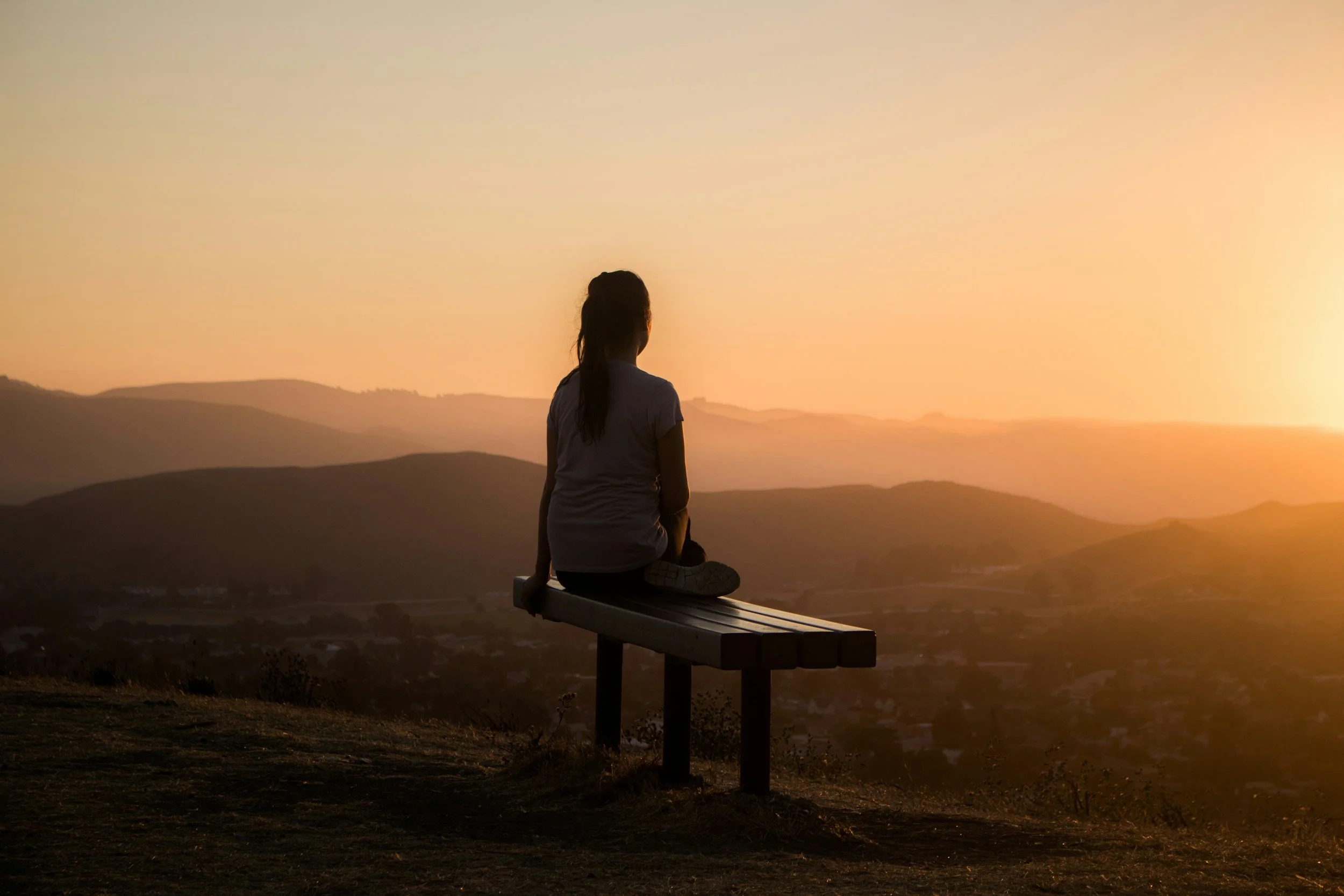
Learning how to reduce anxiety naturally begins with a compassionate truth: anxiety is not a personal failure, a weakness, or something to simply “push through.” It is a real mind-body experience that can affect your breathing, thoughts, sleep, digestion, focus, energy, and sense of safety. While medication can be helpful and appropriate for many people, others may want to begin with natural, holistic, and lifestyle-based practices that support emotional regulation from the inside out. Natural anxiety support works best when it is gentle, consistent, and personalized, because your nervous system responds more deeply to steadiness than to pressure.
Understanding Anxiety as a Mind-Body Signal
Anxiety often feels like a problem to eliminate, but it can also be understood as a signal. Your body may be telling you that something feels uncertain, unresolved, overstimulating, unsafe, or out of alignment. This does not mean every anxious thought is accurate. It means your nervous system is trying to protect you, even if it is doing so in an exhausting or exaggerated way.
Natural approaches to anxiety focus on helping the body feel safer, the mind feel clearer, and the spirit feel more connected. This may include sleep, movement, breathwork, nutrition, mindfulness, emotional reflection, spiritual grounding, and more intentional daily rhythms.
It is important to note that if anxiety feels severe, persistent, or interferes with your ability to function, it is wise to seek support from a qualified mental health professional. Natural practices can be powerful, but they are not a substitute for emergency care or professional treatment when symptoms are intense.
Start With the Breath
When anxiety rises, breathing often becomes shallow, fast, or restricted. This can send a message to the brain that danger is present, which may intensify anxious sensations. Slow, intentional breathing helps interrupt that cycle and invites the body into a calmer state.
A simple practice to begin with is extended exhale breathing:
Inhale through the nose for a count of four, pause four
Exhale slowly for a count of eight, pause four seconds
Repeat for three to five minutes
Keep the jaw, shoulders, and belly as relaxed as possible
This technique is not about forcing yourself to calm down immediately. It is about giving your nervous system a steady rhythm to follow. Over time, regular breathwork may help you feel more equipped to meet anxious moments with presence rather than panic.
Create a Grounding Morning Routine
The way you begin your morning can influence your mental and emotional tone for the rest of the day. Many people wake up and immediately reach for their phone, check messages, consume news, or mentally rush into obligations. This can activate stress before the body has even had a chance to fully arrive.
A grounding morning routine does not need to be long or elaborate. Even ten quiet minutes can make a meaningful difference.
Consider beginning your day with:
A glass of water before caffeine
Three slow breaths before looking at your phone
Gentle stretching or a short walk
A few lines of journaling
A calming mantra or intention
Natural light exposure, when possible
The goal is not to create a perfect routine. The goal is to begin the day with a sense of choice, rather than immediate reactivity.
Move Your Body in a Way That Feels Supportive
Anxiety can create excess mental and physical energy. Movement helps give that energy a healthy pathway. Exercise does not have to be intense to be effective. For many anxious people, gentle or moderate movement may feel more regulating than high-intensity workouts, especially during periods of stress.
Supportive movement may include:
Walking outdoors
Yoga
Tai chi
Dancing
Swimming
Stretching
Light strength training
Hiking
Gentle cycling
The best movement practice is one you can return to consistently. Instead of asking, “What workout burns the most calories?” ask, “What form of movement helps me feel more present in my body?” That small shift can transform exercise from another obligation into a form of self-trust.
Reduce Stimulants That Intensify Anxiety
Caffeine, sugar, alcohol, and irregular eating patterns can all influence anxiety for some people. This does not mean everyone needs to eliminate coffee or avoid every sweet food. It means it is worth observing how your body responds.
Caffeine, in particular, can mimic or amplify anxious sensations such as a racing heart, restlessness, shakiness, and difficulty sleeping. If you suspect caffeine contributes to your anxiety, consider reducing it gradually instead of stopping suddenly.
Helpful adjustments may include:
Drinking caffeine after eating, not on an empty stomach
Switching from coffee to matcha green tea
Avoiding caffeine after late morning
Eating balanced meals with protein, fiber, and healthy fats
Limiting alcohol as a stress coping tool
Keeping blood sugar stable throughout the day
Your body is always communicating. Natural anxiety relief often begins by listening more carefully.
Prioritize Restorative Sleep
Poor sleep can make anxiety feel louder, sharper, and harder to manage. At the same time, anxiety can make sleep more difficult. This creates a frustrating loop, but small sleep rituals can help retrain the body toward rest.
Begin by creating a gentle evening transition. Your nervous system needs signals that the day is ending.
Try the following:
Turn off lights at night and use beeswax or soy candles
Put your phone away or use night mode
Keep bedtime and wake time relatively consistent
Avoid emotionally intense conversations late at night when possible
Write tomorrow’s tasks on paper so your mind does not have to hold them
Use calming scents such as lavender, if tolerated
Practice slow breathing before sleep
Turn off technology two hours before sleeping
If you must watch TV, do not watch anything violent or scary
Sleep hygiene is not about controlling every variable. It is about creating enough consistency for your body to recognize rest as safe.
Practice Mindfulness Without Perfection
Mindfulness is often misunderstood as clearing the mind. In reality, mindfulness is the practice of noticing what is happening without immediately judging it, resisting it, or becoming consumed by it.
If you have anxiety, sitting silently for long periods may feel difficult at first. That is okay. Mindfulness can be practiced in simple, accessible ways.
You can practice mindfulness by:
Noticing five things you can see
Feeling your feet on the floor
Listening to surrounding sounds
Eating one meal without multitasking
Observing your thoughts as passing mental events
Placing a hand over your heart and naming what you feel
Instead of saying, “I am anxious, and this is terrible,” you might say, “Anxiety is present right now, and I can meet it one breath at a time.” This creates space between you and the feeling.
Use Journaling to Calm Mental Overload
Anxiety often thrives in mental clutter. Thoughts repeat, spiral, and become more convincing when they stay trapped in the mind. Journaling gives those thoughts a place to land. You do not need to write beautifully. You only need to write honestly.
Helpful anxiety journal prompts include:
What am I feeling in my body right now?
What thought is creating the most fear?
Is this thought a fact, a fear, or a possibility?
What do I need in this moment?
What is one small action I can take today?
What would I say to someone I love if they felt this way?
Journaling can help you separate intuition from fear, urgency from truth, and worry from wisdom.
Spend Time in Nature
Nature has a way of reminding the body that life moves in rhythms, not constant urgency. A walk under trees, sunlight on the skin, fresh air, birdsong, or even sitting near a window can help soften anxious intensity.
You do not need a remote retreat to receive the benefits of nature. Start with what is available.
Try:
A ten-minute walk outside
Sitting barefoot on grass
Watching the sky for a few minutes
Keeping plants in your home
Opening a window while breathing slowly
Visiting a park weekly
For spiritually sensitive people, nature can also restore a sense of belonging. It reminds you that you are not separate from life. You are part of something vast, intelligent, and alive.
Create Boundaries Around Information and Energy
Anxiety can be intensified by overstimulation. Constant notifications, social media comparison, distressing news, and emotionally draining relationships can keep the nervous system in a state of alert.
Reducing anxiety naturally may require protecting your attention more carefully.
Consider setting boundaries such as:
Checking messages at set times
Taking one screen-free hour each day
Unfollowing accounts that trigger comparison or fear
Limiting news consumption
Saying no without overexplaining
Spending less time with people who leave you feeling depleted
Creating quiet space after social events
Boundaries are not walls. They are sacred structures that protect your clarity.
Support the Body With Nourishing Food
Food is not a cure-all, but nourishment matters. The brain and nervous system need steady fuel. Skipping meals, relying on sugar, or eating in a rushed state or while driving may contribute to mood swings and anxious sensations for some people.
A grounding approach to food includes balanced, warm, digestible, nutrient-rich meals. From an Ayurvedic perspective, anxiety often reflects excess movement, dryness, irregularity, or overstimulation. Grounding foods and routines may help bring the body back toward steadiness.
Supportive choices may include:
Warm soups and stews
Cooked vegetables
Whole grains
Healthy fats
Herbal teas
Protein-rich meals
Regular mealtimes
Eating slowly and without distraction
This is not about rigid rules. It is about creating nourishment that helps the body feel held.
Develop a Spiritual Grounding Practice
For many people, anxiety is not only mental or physical, it can feel existential. You may wonder if you are on the right path, whether you are making the right choices, or why certain patterns keep repeating. A spiritual grounding practice can help bring meaning, perspective, and deeper trust.
Spiritual grounding may include:
Meditation
Prayer
Mantra
Ritual
Astrology
Ayurveda
Energy work
Intuitive reflection
Time at an altar
Gratitude practice
Conscious storytelling
A grounded spiritual practice does not bypass real emotions. It helps you meet them with wisdom. It can remind you that anxiety is not the whole story of who you are. Beneath fear, there may be longing, intuition, truth, and transformation waiting to be understood.
Build Emotional Safety Through Connection
Anxiety can become heavier in isolation. Speaking with a trusted person can help regulate the nervous system and bring perspective to anxious thoughts. You do not need to share everything with everyone. Choose people who can listen without dismissing, fixing, or escalating your fears.
Healthy connection may look like:
Calling a supportive friend
Joining a meditation or wellness community
Working with a therapist or counselor
Seeking spiritual guidance
Attending a class or circle
Sharing honestly with someone you trust
Sometimes the most healing sentence is simple: “I do not need you to solve this. I just need to feel less alone.”
Take Small Aligned Actions
Anxiety often grows when life feels uncertain or overwhelming. While you cannot control everything, you can usually take one small, aligned action. This helps the mind and body remember that you are not powerless.
Small, aligned actions may include:
Making one phone call you have been avoiding
Cleaning one corner of your space
Drinking water
Taking a walk
Scheduling support
Writing down your next step
Resting before burnout arrives
Completing one important task
Do not underestimate small steps. The nervous system builds confidence through repeated experiences of safety, completion, and self-respect.
FAQ
Can anxiety really be reduced without medication?
Yes, many people use natural methods such as breathwork, exercise, better sleep, mindfulness, nutrition, therapy, spiritual practices, and lifestyle changes to reduce anxiety. However, medication may still be helpful or necessary for some people, and there is no shame in needing additional support.
What is the fastest natural way to calm anxiety?
Slow breathing with a longer exhale is one of the quickest tools. Try inhaling for four counts, pausing four, and exhaling for eight seconds for several minutes. Grounding through the senses, such as naming what you see, hear, and feel, can also help.
Does caffeine make anxiety worse?
For some people, yes. Caffeine can increase physical sensations such as a racing heart, restlessness, and shakiness. If you notice anxiety after caffeine, try reducing your intake gradually and observe how your body responds.
How does Ayurveda view anxiety?
Ayurveda often associates anxious, restless, or scattered energy with imbalance in the body’s natural rhythms. Grounding routines, warm foods, oil massage, regular sleep, calming herbs, and mindful daily structure may be used to support steadiness.
Can meditation help if my mind will not stop racing?
Yes, but it helps to begin gently. You do not need to empty your mind. Start with one to three minutes of noticing your breath, repeating a mantra, or feeling your feet on the ground. Consistency matters more than duration.
When should I seek professional help for anxiety?
Seek professional help if anxiety feels overwhelming, disrupts daily life, causes panic attacks, affects sleep or relationships, or leads to thoughts of self-harm. Support is a sign of wisdom, not weakness.
Begin Your Path Toward Calm, Clarity, and Alignment
Reducing anxiety naturally is not about becoming perfectly calm all the time. It is about learning how to listen to your body, care for your mind, honor your sensitivity, and align with a deeper sense of truth. With the right tools and guidance, anxiety can become less of a prison and more of an invitation into healing, self-understanding, and empowered living.
If you are ready to explore your inner landscape with more clarity, purpose, and spiritual grounding, connect here with the founder of Talc.live. As a wellness advisor and Vedic astrologer blending Ayurveda, intuitive insight, Shar Veda, founder of Talc.live, offers a grounded spiritual approach to support transformation, direction, and meaningful self-alignment. Through years of experience in healing arts, teaching, service work, wellness research and publishing, Shar Veda, founder of Talc.Live bridges the mystical with the practical to help you move toward a more empowered, elevated way of living. Reach out today to begin your journey toward deeper calm, clearer purpose, and a life that feels more aligned from within.